Transform One's Area: An Craft of Space Design


When discussing transforming a space, interior styling is more about selecting colors and arranging furniture. It is focused on crafting spaces that elicit feelings, promoting comfort, and showcasing personal style. Whether you reside in a small apartment or a sprawling house, the right design choices can greatly impact the ambiance and functionality of a space. From utilizing compact zones to incorporating sustainable practices, the art of interior design provides endless possibilities to enhance your home environment.
As we explore the world of interior design, we will investigate various styles and trends that can change the way your home feels. Understanding the psychology of colors can help you select hues that uplift your mood, while the use of natural light can boost the mood in every space. We will also cover how to incorporate natural elements into design that introduce outdoor elements into your home, creating tranquility in your everyday life. Whether your goal is to set up a functional office at home, create a peaceful haven in your bedroom, or optimize your living room for warmth and gathering, this exploration of home decor is sure to spark your imagination and inspire your next home makeover.
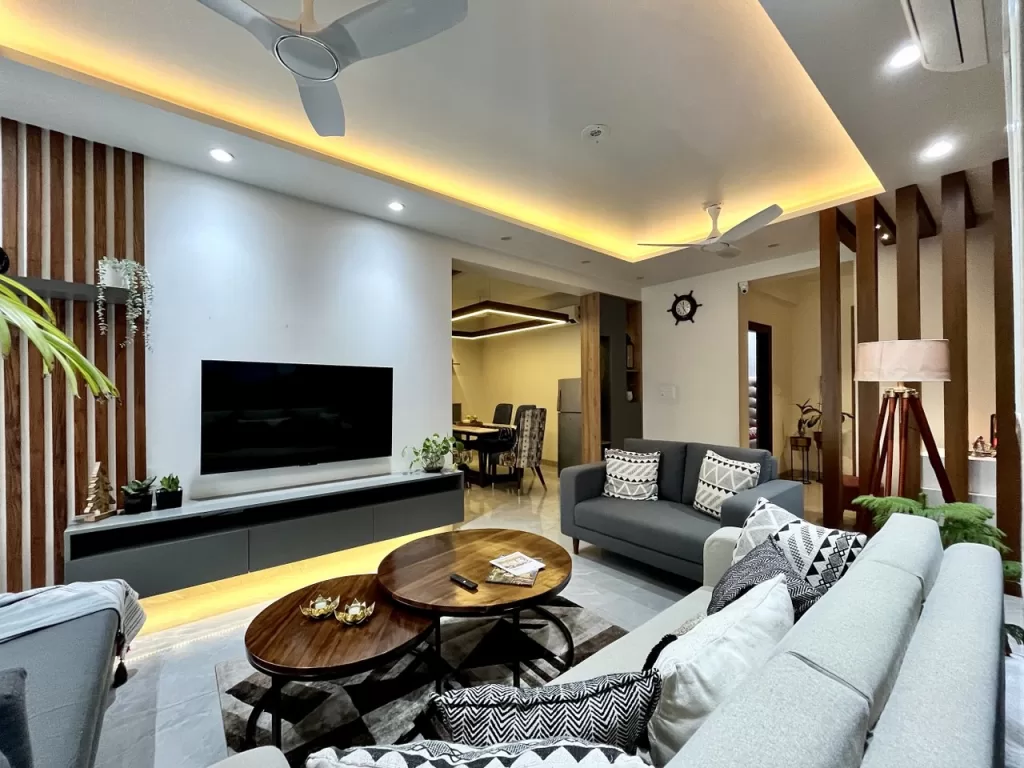
Cozy Areas and Comfort
Establishing inviting areas is essential for cultivating a feeling of comfort and serenity in any home. Interior designers often focus on elements that promote coziness and invite repose. Plush textiles, such as soft throw blankets and fluffy cushions, play a key role in providing comfort to rooms. The thoughtful selection of seating arrangements and seating can encourage gatherings, making areas feel more intimate and welcoming. Incorporating layers of lighting, from soft lamps to warm overhead fixtures, also contributes to an inviting atmosphere.
Color choices significantly affect the degree of comfort of a space. Warm earth tones, gentle pastels, and muted hues can elicit feelings of calm and tranquility, while vibrant colors might energize a space. A harmonious color palette not only improves comfort but also establishes a visually harmonized environment. Integrating natural materials like wood and stone can additionally deepen this sense of warmth, as they often remind a link to the outdoors, making indoor spaces feel more rooted and peaceful.
Additionally, the layout of furniture and decor is vital in creating cozy areas. Setting up seating in https://hackmd.okfn.de/s/rJUWLyoGzl encourages conversation and connection, while allowing for ample space to move around ensures functionality. Carefully chosen accents, such as candles or personal artwork, add character and warmth, making a house feel like a home. By emphasizing these elements, everyone can transform their space into a peaceful retreat that emphasizes ease and warmth.
Enhancing Functionality in Limited Areas
In smaller spaces, the challenge lies in harmonizing utility with aesthetic. Careful furniture selection is essential; choose pieces that serve various roles, such as a futon or an footstool with compartment. By selecting versatile furnishings, you can create a flexible environment that accommodates different needs without congesting the space. Additionally, consider compact furniture that maintains proportions, ensuring that the area feels spacious and comfortable rather than tight.
Smart clutter solutions are crucial for maintaining order in compact areas. Customized shelving, vertical storage, and under-bed storage can make use of every inch effectively, helping to minimize clutter. Additionally, employing decorative baskets or trendy boxes can keep everyday items within reach while enhancing the design aesthetic. Incorporating these storage solutions ensures that utility is not sacrificed in the pursuit of aesthetic.
Finally, arrangement plays a key role in how a small area feels. Arranging furniture for best flow encourages movement and makes the space more welcoming. Use area rugs to separate living spaces, particularly in multifunctional spaces where you might want to split a living area from a workspace. By thoughtfully placing furniture and utilizing visual dividers, you can create defined yet cohesive zones, maximizing the overall functionality and coziness of your limited space.
Adopting Eco-friendliness in Interior Design
Green interior decorating has emerged as a powerful approach that prioritizes the health of our environment while enhancing the beauty and functionality of our living spaces. Designers focus on using sustainable materials that minimize environmental impact, such as reclaimed wood, recycled metals, and low-VOC paints. South Florida Interior Design preserve natural resources but also encourage healthier indoor air quality, creating spaces that are both visually appealing and supportive for residents.
Including energy-efficient strategies is another important aspect of eco-friendly design. This includes utilizing LED lights, low-energy appliances, and smart home devices that enhance energy efficiency. By harnessing natural light through strategic window placements and shiny surfaces, designers can decrease reliance on man-made lighting and cut energy usage. This not only results in savings on energy costs but also creates bright, welcoming spaces that enhance the overall ambiance of the living space.
Lastly, biophilic design plays a crucial role in green interior design, highlighting the connection between nature and interior spaces. Integrating elements like indoor plants, natural materials, and views of the natural environment fosters a calming environment and supports well-being. This design philosophy fosters mindfulness and gratitude for the environment, reinforcing the importance of eco-consciousness in our everyday lives. By implementing these values, we can convert our spaces into not only beautiful but also responsible and sustainably-minded sanctuaries.